Shahmama’s Mission during the United Nations General Assembly High-Level Week
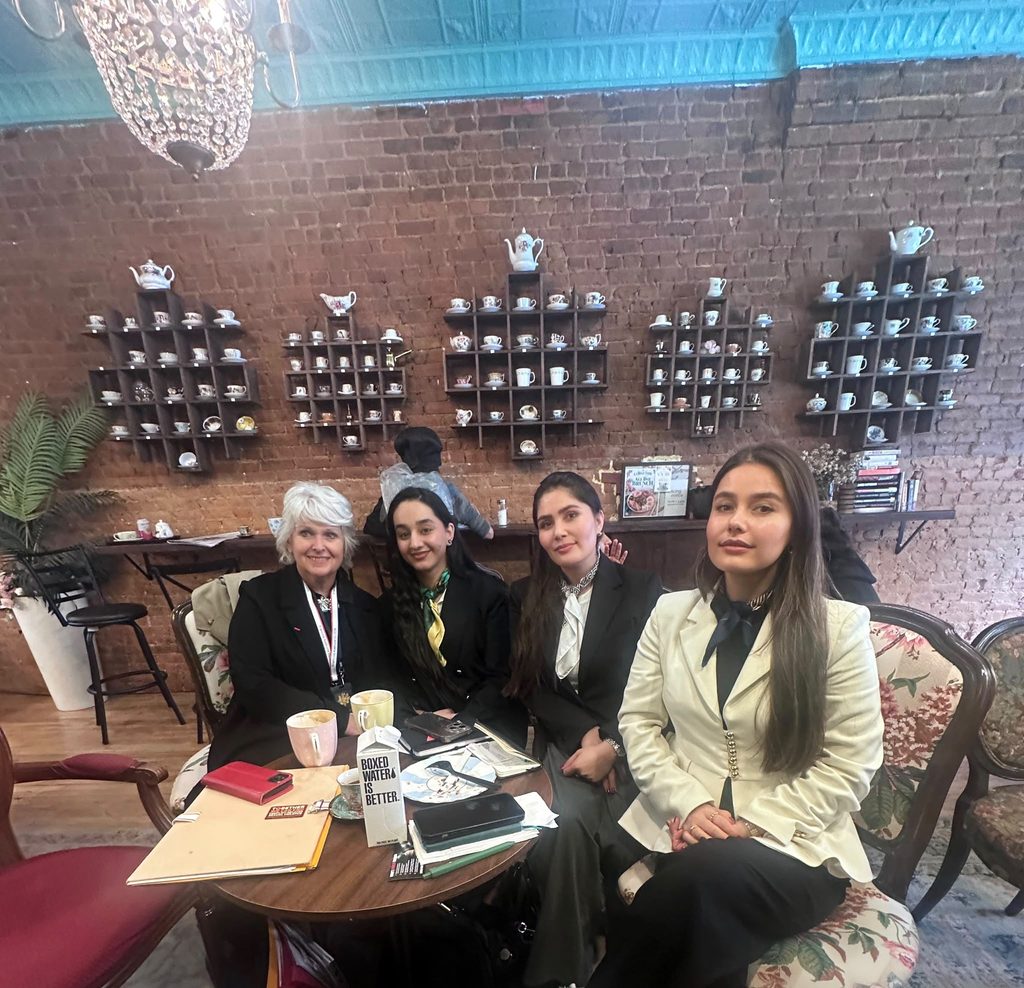
From 21 to 25 September 2026, a Shahmama delegation composed of Afghan women human rights activists undertook a focused advocacy and high-level engagement mission in New York during the High-Level Week of the 81st Session of the United Nations General Assembly (UNGA 81).
The mission focused on three core priorities: advancing justice and accountability for violations of the rights of Afghan women and girls; ensuring the meaningful participation of Afghan women in national and international processes, including in line with the Women, Peace and Security (WPS) Agenda; and strengthening their agency and leadership as rights-holders, leaders, and agents of change.
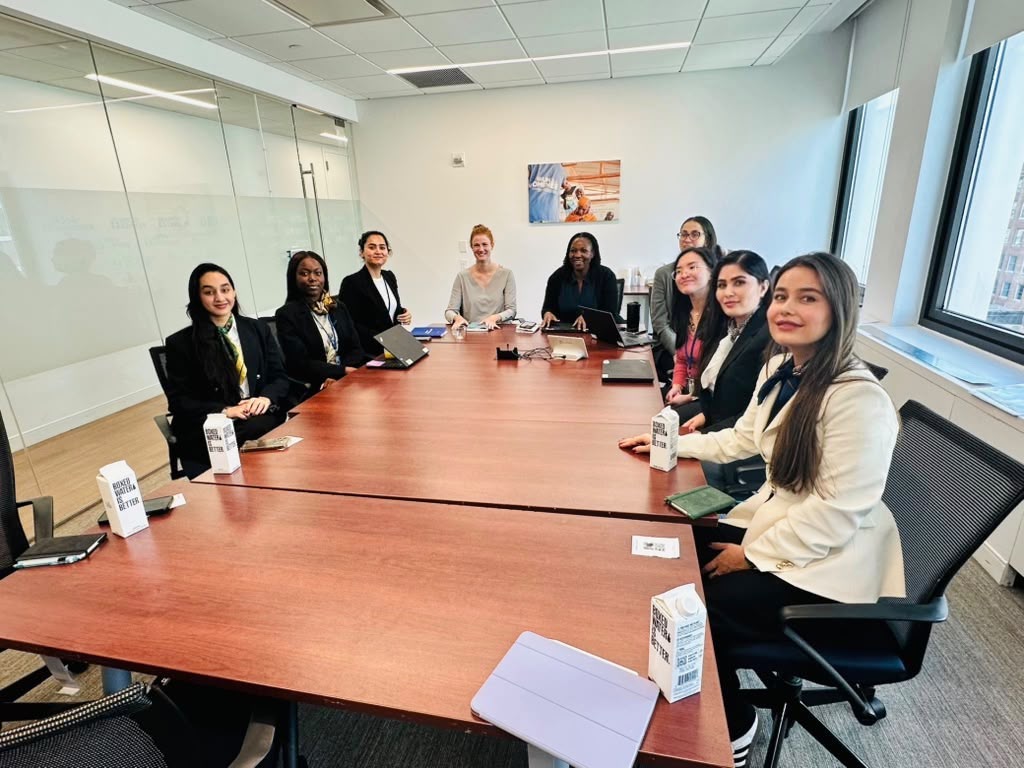
The presence of a large number of high-level country delegations, United Nations officials, and representatives of international institutions in New York during High-Level Week provided an important opportunity for direct advocacy. The Shahmama delegation used this opportunity to engage with delegations from various countries—including officials and representatives who had travelled from their capitals to New York to participate in UNGA—as well as with United Nations entities, international institutions, and civil society organizations.
Alongside bilateral meetings and institutional engagements, the Shahmama delegation also participated in a number of meetings and events related to High-Level Week. The mission culminated on 25 September with the co-organization of a high-level side event at United Nations Headquarters.
Throughout these engagements, Shahmama’s message was clear and consistent: the rights of Afghan women must not be marginalized in international engagement on Afghanistan; Afghan women must be recognized as rights-holders and effective actors in shaping the solutions and decisions that affect their future and the future of their country.
Advancing Justice and Accountability
Justice and accountability were among the central pillars of Shahmama’s mission in New York. In its engagements, the delegation emphasized the need to move beyond expressions of concern and condemnation toward effective and sustained action for accountability.
This advocacy focused on the importance of supporting international justice and accountability mechanisms, independent investigations, documentation and preservation of evidence, and the meaningful participation of women, survivors, and human rights defenders in justice-related processes.
This message was also specifically articulated by Kamela Azizi, Co-Founder of Shahmama, at the high-level event on 25 September. She highlighted the importance of accountability pathways through the International Criminal Court (ICC), the International Court of Justice (ICJ), and the Independent Investigative Mechanism for Afghanistan, and called for support for independent investigations, evidence preservation, the meaningful participation of women and survivors, and sustained support for Afghan women-led civil society organizations.
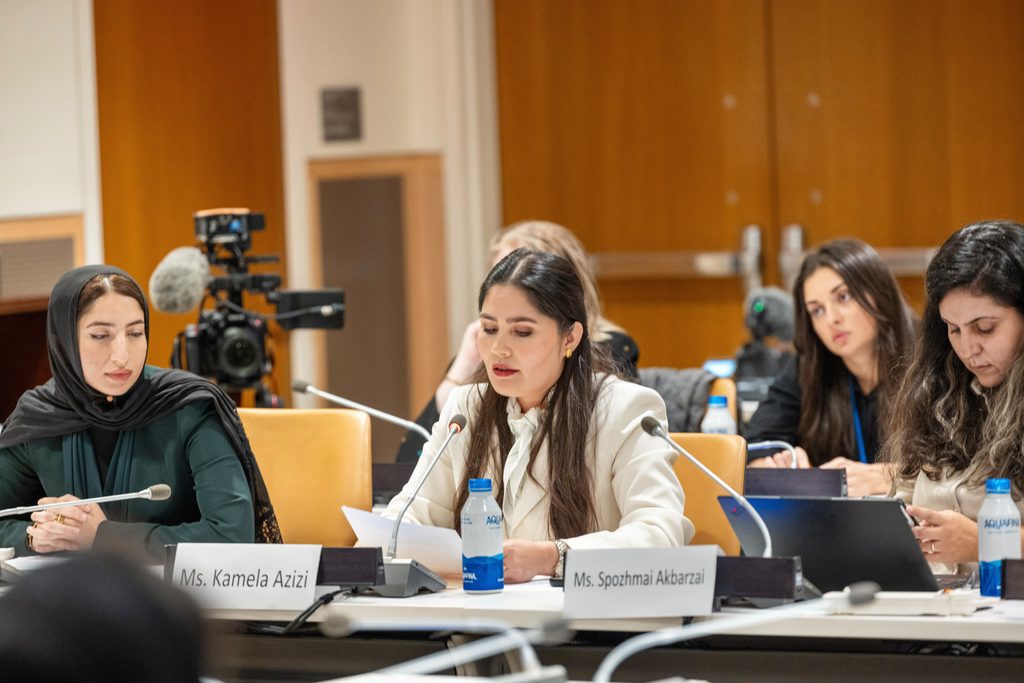
Within this framework, Shahmama emphasized a clear pathway: from documentation to investigation, from investigation to prosecution, and from prosecution to meaningful justice.
Afghan Women as Leaders and Agents of Change
One of the central messages of Shahmama’s mission was the need to change the way Afghan women are viewed: women should not be seen only as victims of crisis or recipients of support, but recognized as rights-holders, leaders, human rights defenders, and agents of change.
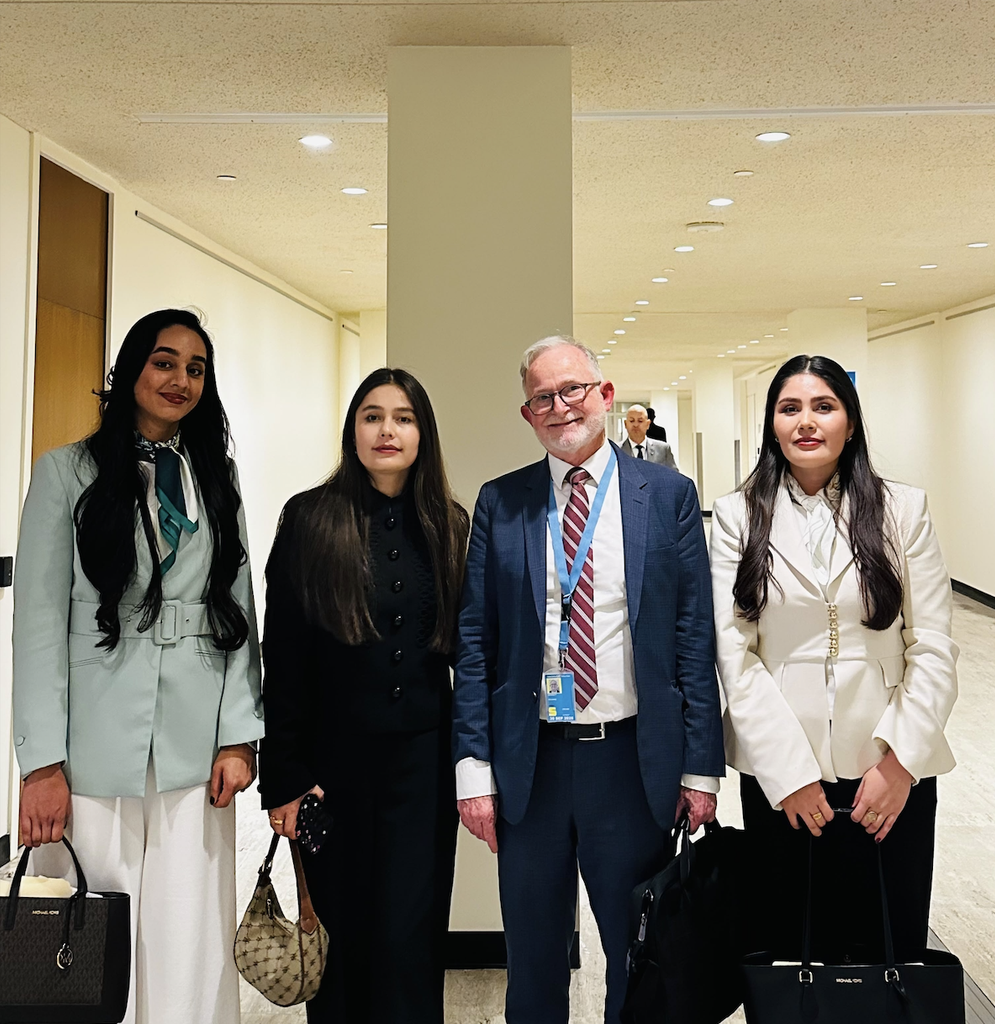
Strengthening the agency of Afghan women means creating conditions in which they can organize, lead, propose solutions, advocate, and influence decisions that directly affect their rights and their future.
From this perspective, international support for Afghan women should not be limited simply to creating opportunities for their voices to be heard. Afghan women already have voices, experience, expertise, and leadership capacity. What must be strengthened is their access to decision-making spaces, resources, networks, and opportunities necessary to exercise this leadership and influence.
For this reason, Shahmama emphasized in its engagements the importance of sustained support for women-led organizations and networks, the protection of women human rights defenders, and greater opportunities for Afghan women to participate and lead in international spaces.
From Presence to Meaningful and Influential Participation
The meaningful participation of women was another central focus of Shahmama’s advocacy during UNGA 81.
For Shahmama, meaningful participation goes beyond inviting women to meetings, limited consultations, or symbolic representation. Participation is meaningful when women are able to play a genuine and influential role in setting priorities, shaping agendas and policies, and influencing decisions that affect their rights and future.
This advocacy also reflects the Women, Peace and Security (WPS) Agenda, particularly its emphasis on women’s full, equal and meaningful participation and leadership in peace and security processes.
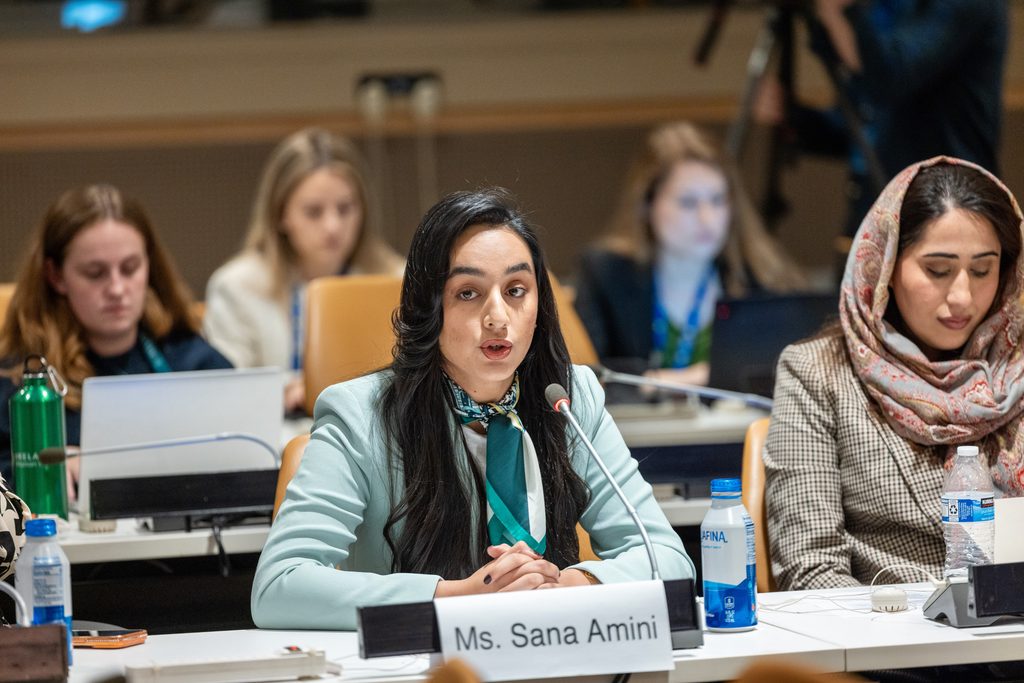
This message was also highlighted in Sana Amini’s remarks at the 25 September event. She emphasized the need to move beyond consultation and symbolic representation toward participation that enables women to genuinely influence decisions. The importance of reflecting the diverse perspectives of Afghan women—including women inside the country, women in exile, young women, and women human rights defenders—was also emphasized.
This approach formed an important part of Shahmama’s broader message: no credible and sustainable process concerning Afghanistan can treat women merely as the subjects of decision-making; women must be part of the decision-making itself.
Direct Engagement with International Decision-Makers and Actors
One of the important dimensions of Shahmama’s mission was direct engagement with international decision-makers and actors during UNGA High-Level Week.
The Shahmama delegation used the exceptional concentration of diplomatic delegations, government officials, United Nations actors, international institutions, and civil society in New York to raise the priorities of Afghan women directly through bilateral and institutional dialogue.
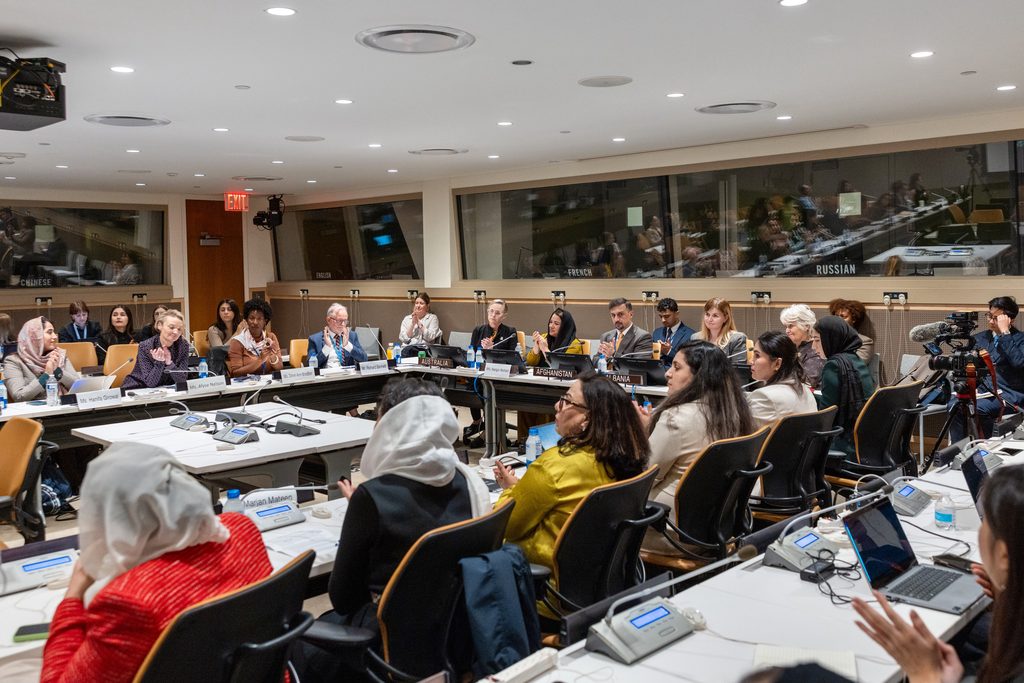
The combination of bilateral meetings, engagement with international institutions, participation in high-level forums, engagement with civil society, and public advocacy enabled Shahmama to advance the mission’s core messages across multiple and complementary spaces.
These engagements also provided an opportunity to establish and strengthen relationships and channels of dialogue with actors involved in human rights, justice and accountability, support for civil society, and policies related to Afghanistan.
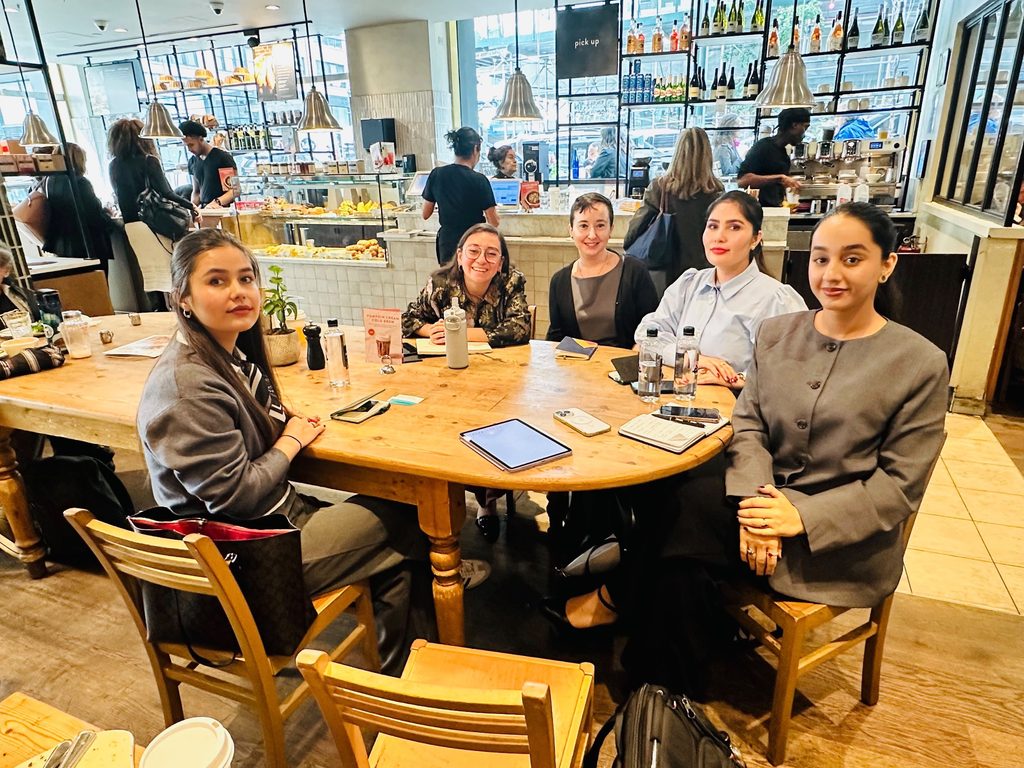
Within this context, the significance of Shahmama’s presence was not limited to participation in meetings; it was also about the direct presence of Afghan women in spaces where their rights and future are discussed and decisions are made.