One of the prominent elements of Shahmama’s mission was the co-organization of the high-level side event:
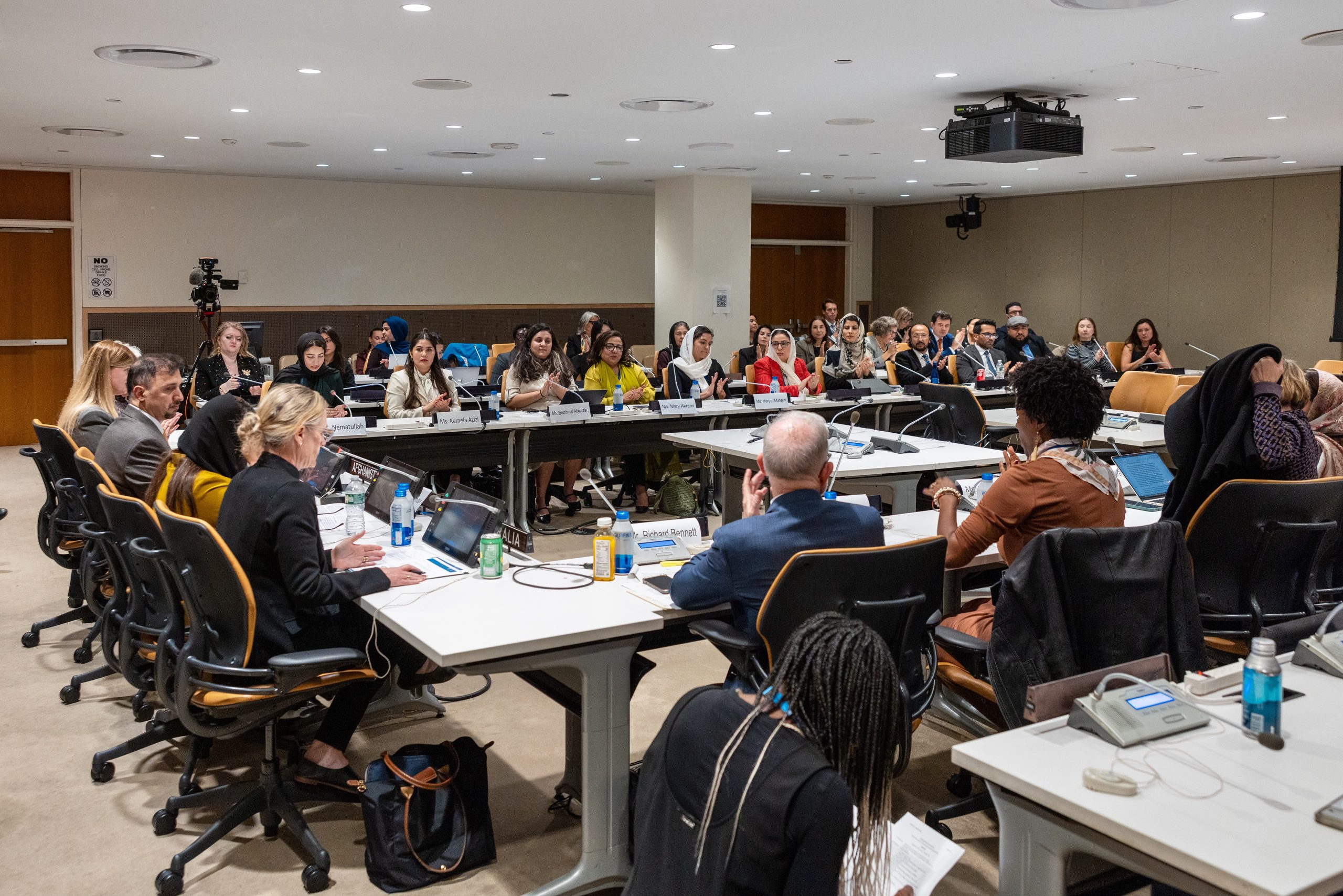
“Afghanistan Five Years On — Gender Apartheid and Accountability: Protecting the Rights of Afghan Women and Girls”
on 25 September 2026 at United Nations Headquarters in New York.
The event was jointly organized by Shahmama, the Permanent Mission of Afghanistan...
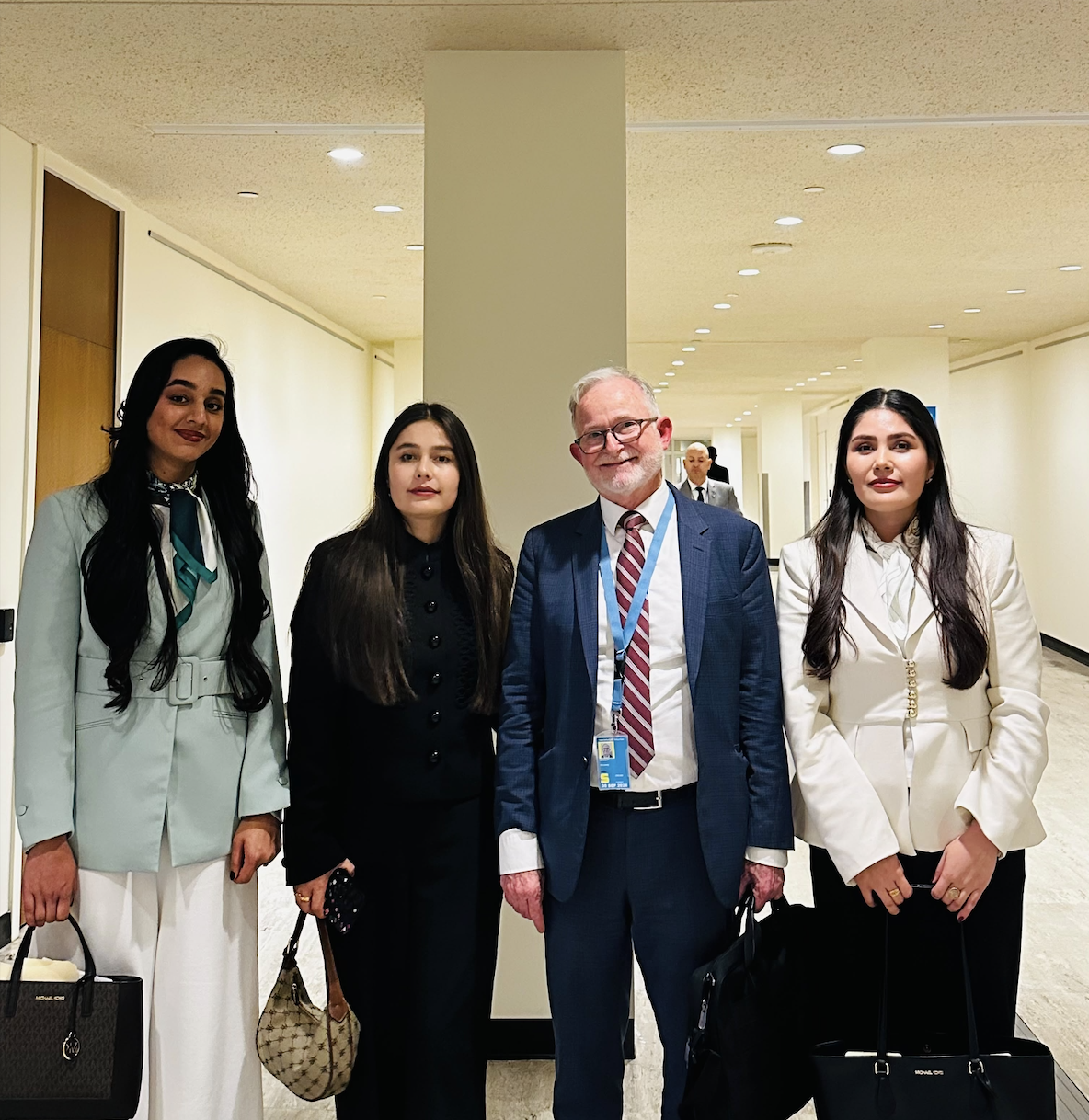
Shahmama Advocacy Mission and High-Level Engagements During UNGA 81, New York | 21–25 September 2026
Shahmama’s Mission during the United Nations General Assembly High-Level Week
From 21 to 25 September 2026, a Shahmama delegation composed of Afghan women human rights activists undertook a focused advocacy and high-level engagement mission in New York during the High-Level Week of the 81st Session of the United Nations General Assembly (UNGA 81).
The mission focused...

An Open Call to the Ministries of Foreign Affairs of Australia, Canada, Germany, and the Kingdom of the Netherlands
25 September 2026
On the second anniversary of the ICJ-CEDAW Afghanistan Initiative, Shamama joins other civil society and human rights organizations as a signatory to a joint statement calling for renewed action, greater transparency, and continued consultation with...
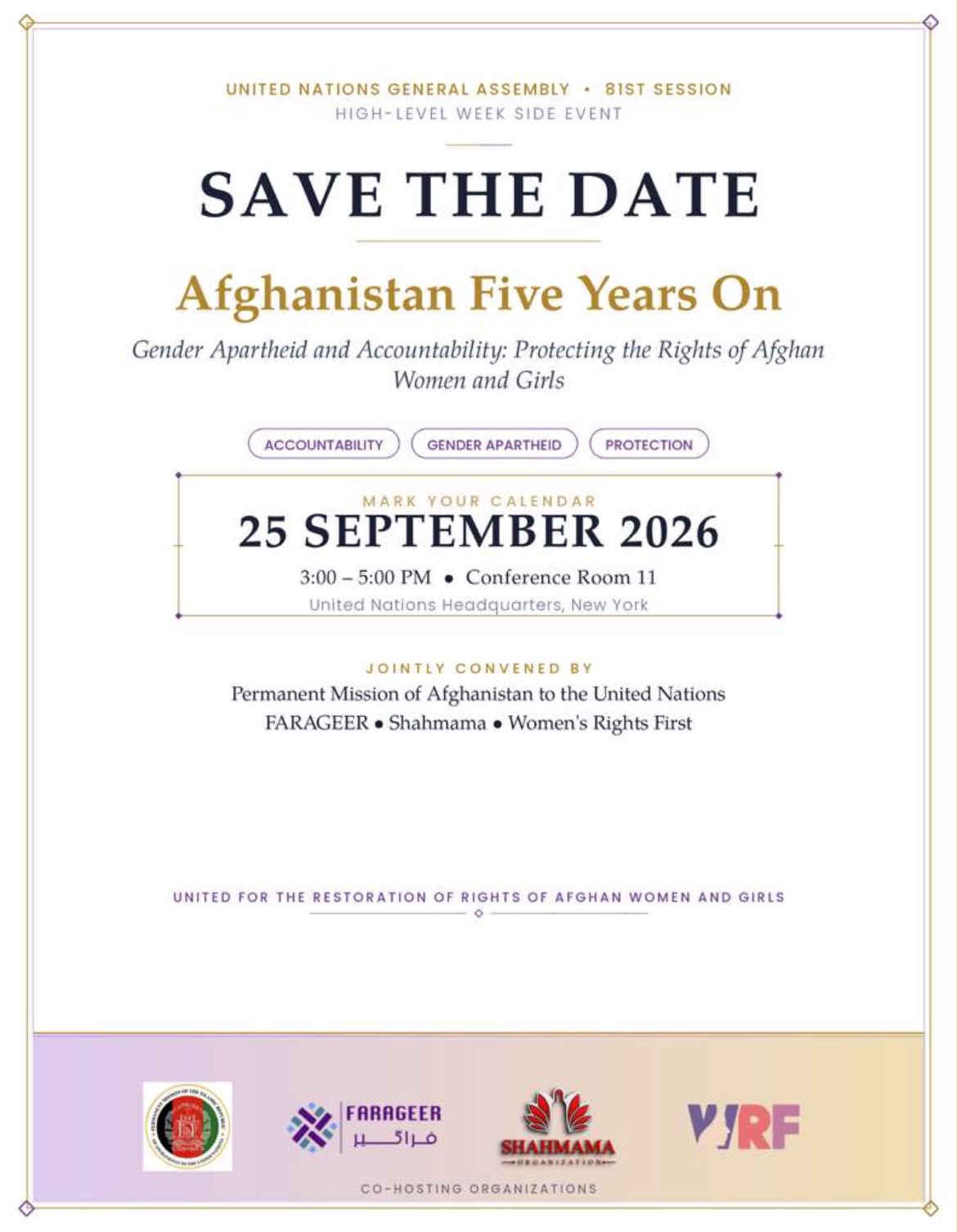
High-Level Week Side Event during the 81st Session of the United Nations General Assembly
Shahmama Organization is pleased to participate as one of the co-conveners of the high-level side event titled “Afghanistan Five Years On: Gender Apartheid and Accountability — Protecting the Rights of Afghan Women and Girls,” taking place during the High-Level Week of the 81st Session of the...
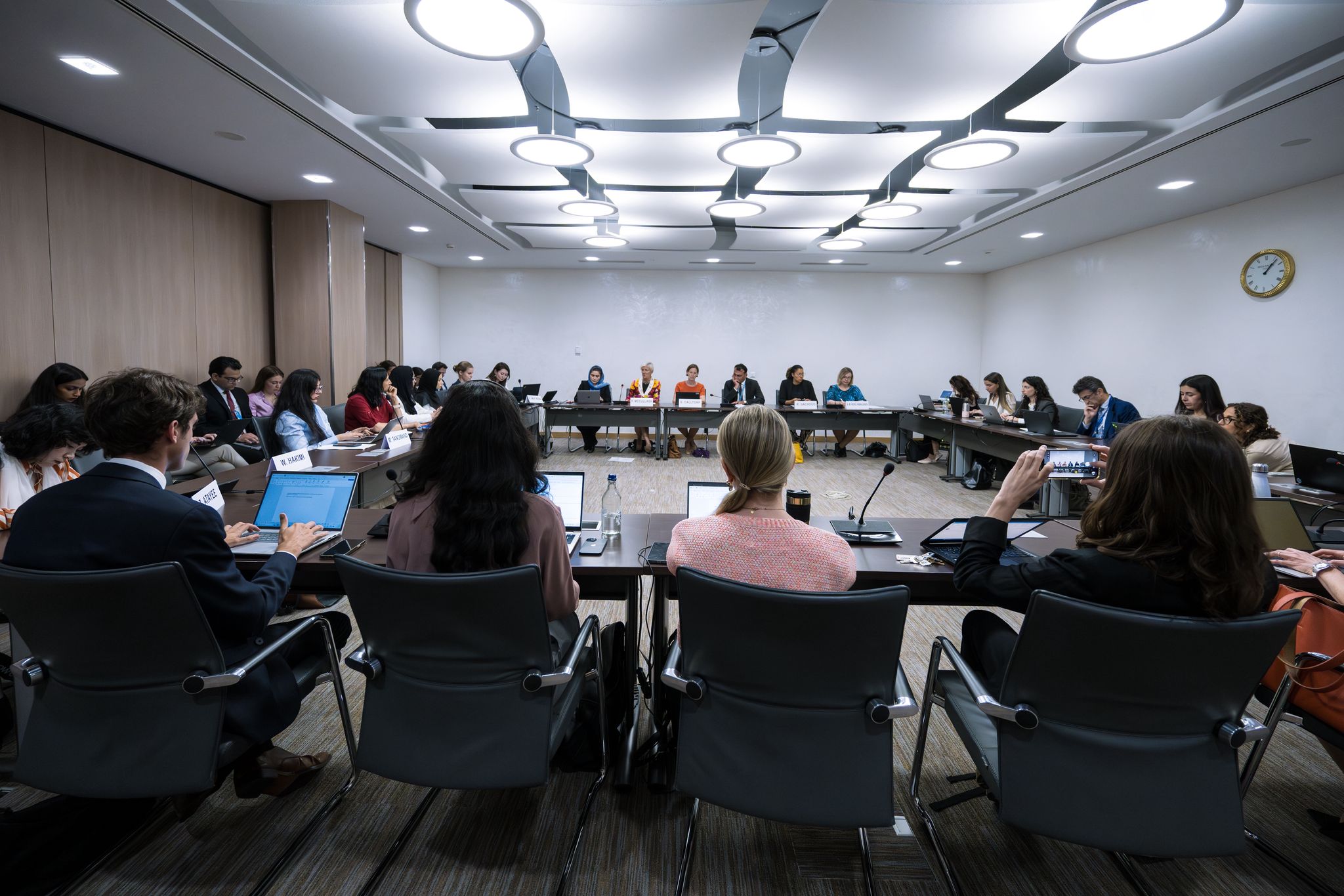
The conference concluded with a series of recommendations aimed at strengthening international efforts to advance justice, accountability, and the protection of the rights of Afghan women and girls. Participants called on governments, United Nations mechanisms, and international partners to take coordinated and sustained action in response to the ongoing human rights crisis in Afghanistan.
Recommendations...
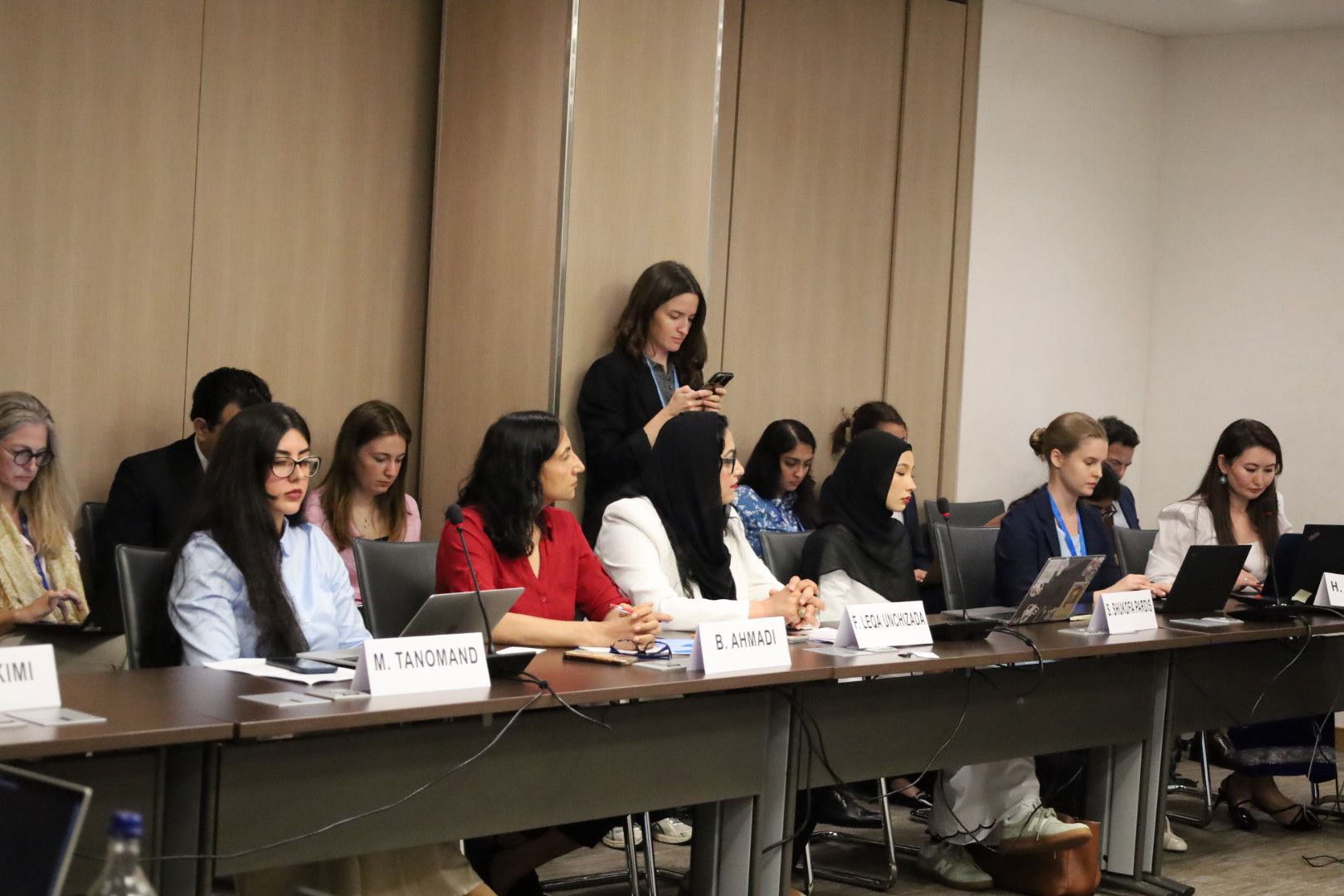
A dedicated policy panel titled “Afghan Women’s Voices and Recommendations” formed a central part of the conference, providing a platform for Afghan women leaders to share their perspectives, experiences, and policy recommendations on advancing justice and human rights in Afghanistan.
Moderated by Dr. Homira May Rezai, Chief Executive Officer of Education Bridge for Afghanistan,...
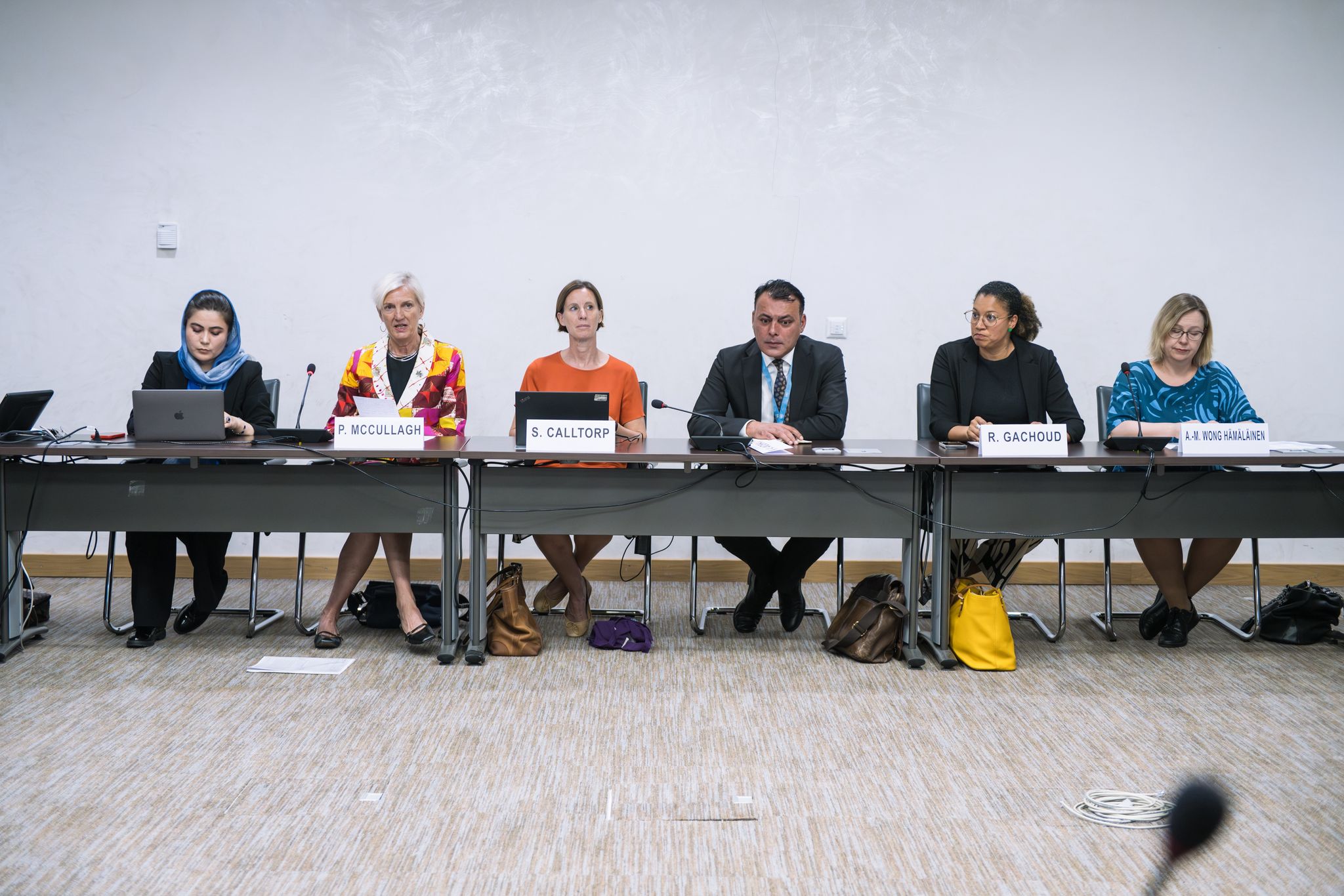
The opening session of the conference featured senior representatives from governments, international organizations, and United Nations entities, all of whom reaffirmed their commitment to advancing justice, accountability, and the protection of the rights of Afghan women and girls. Speakers emphasized that meaningful participation of Afghan women must remain central to all international...
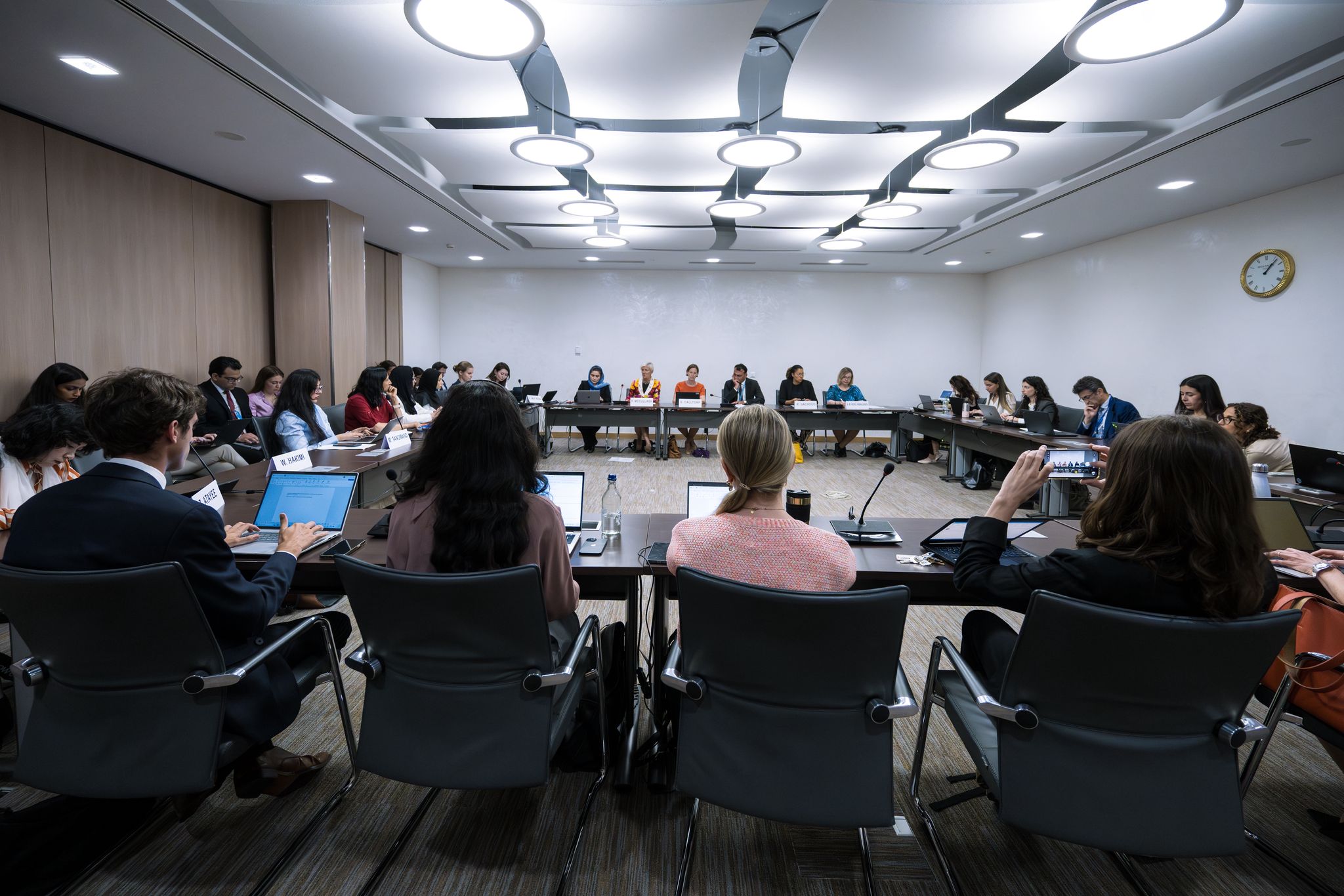
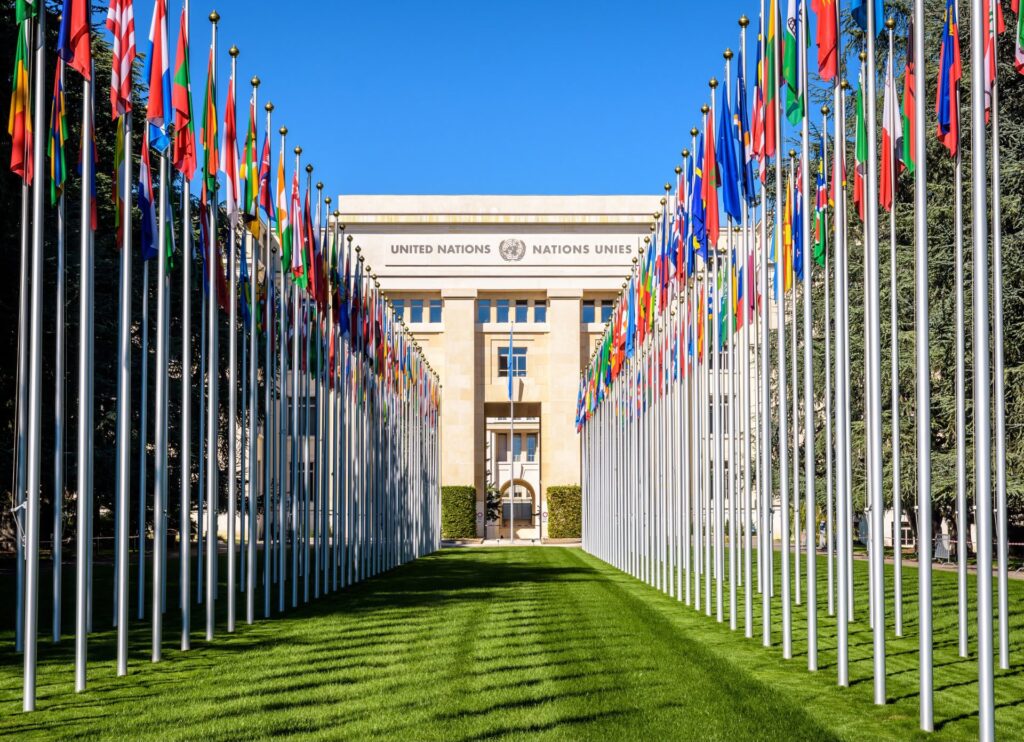
Shahmama Organization convened the international policy conference “Pathways to Justice and Human Rights for Women in Afghanistan” at the United Nations Office at Geneva on 15 June 2026.
The conference brought together representatives of governments, Permanent Missions, United Nations entities, international organizations, Afghan women leaders, civil society organizations, human...
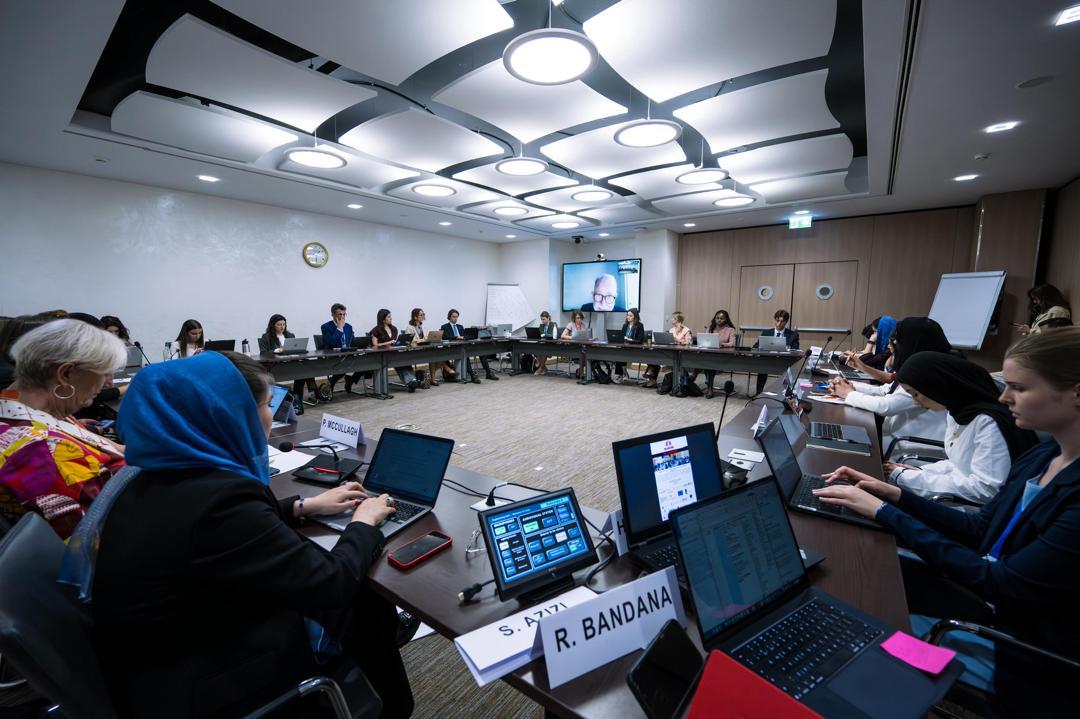
Shahmama convened the international policy conference “Pathways to Justice and Human Rights for Women in Afghanistan” with the support of 11 co-sponsoring states, the European Union, and UN Women. The conference brought together representatives of governments, Permanent Missions, UN agencies, international organizations, Afghan women, civil society organizations, and human rights experts...
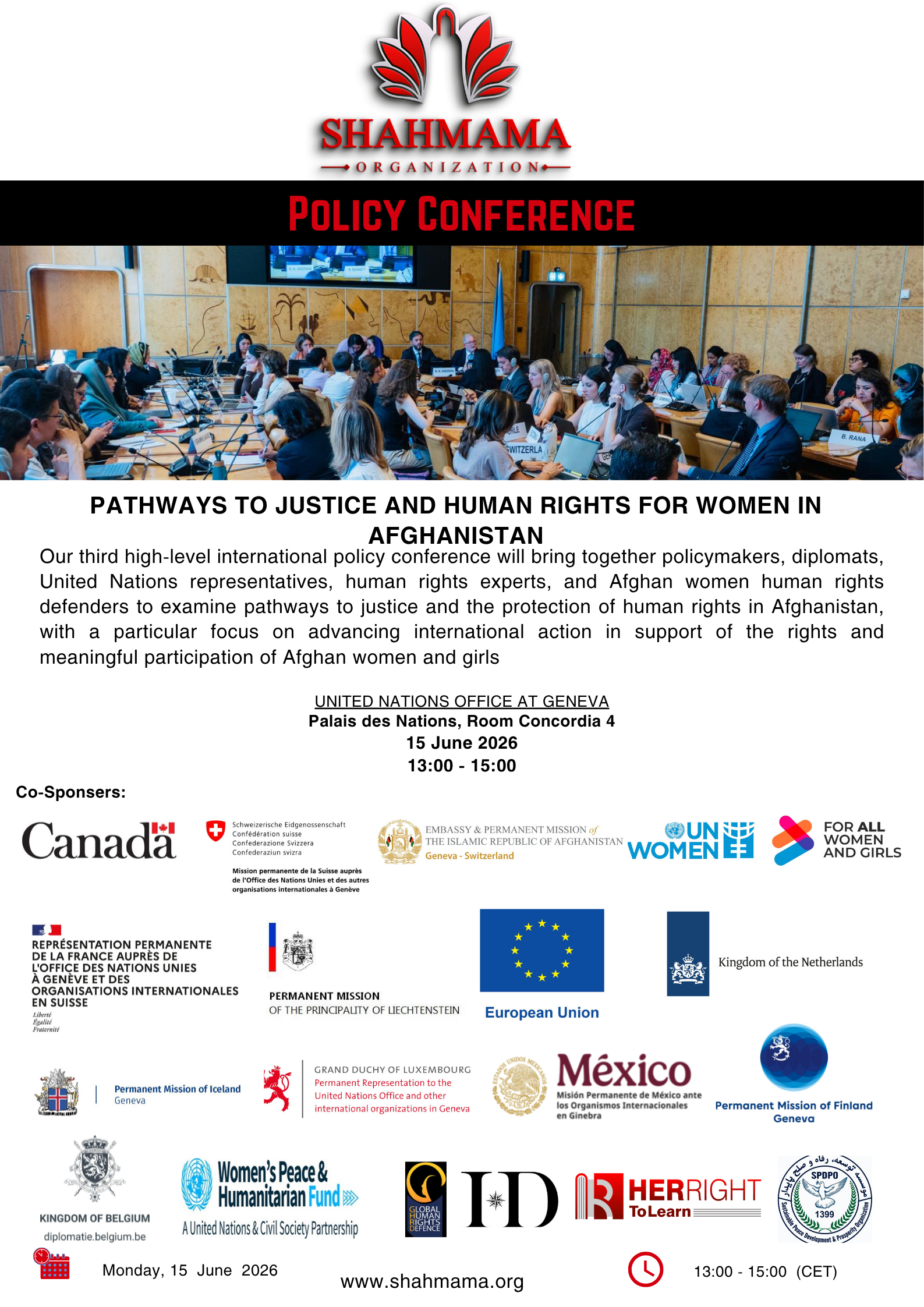
As part of its ongoing commitment to advancing justice, equality, and the rights of Afghan women, Shahmama is convening a High-Level International Policy Conference on 15 June at the United Nations Office in Geneva.
The conference is being organized in partnership with UN Women and 12 Member States, bringing together policymakers, diplomats, women leaders, civil society representatives,...