
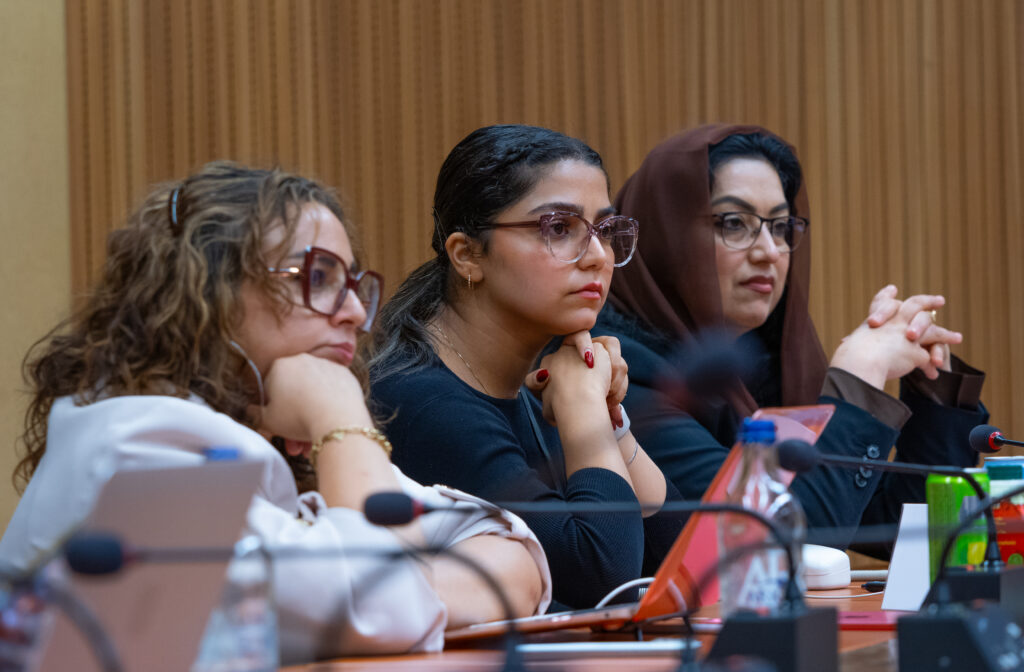
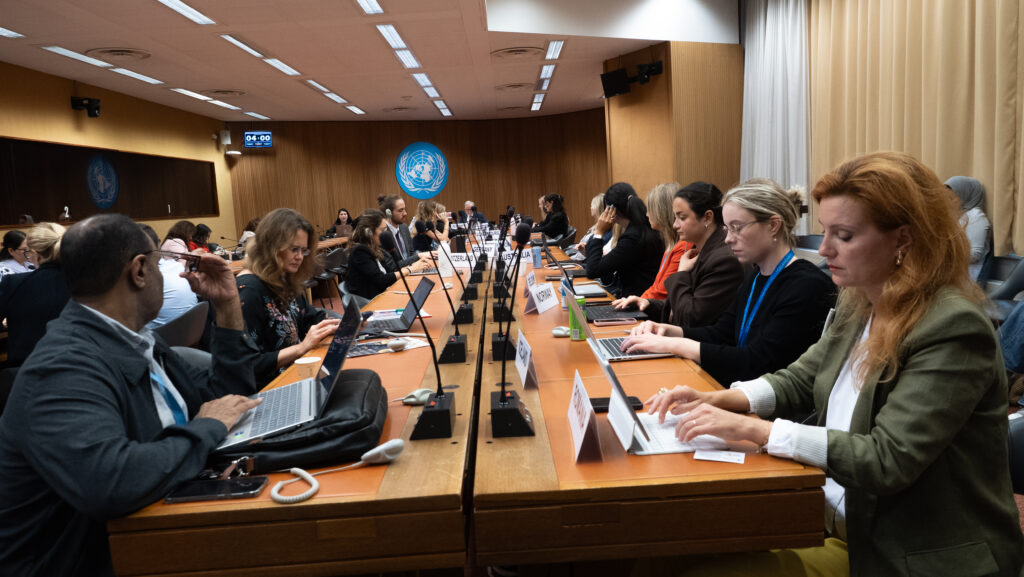
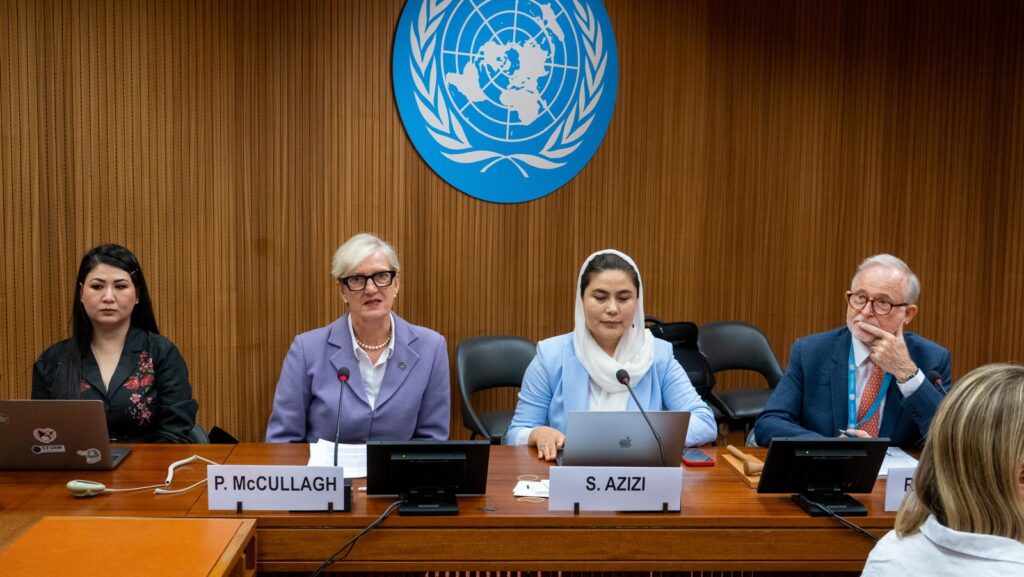
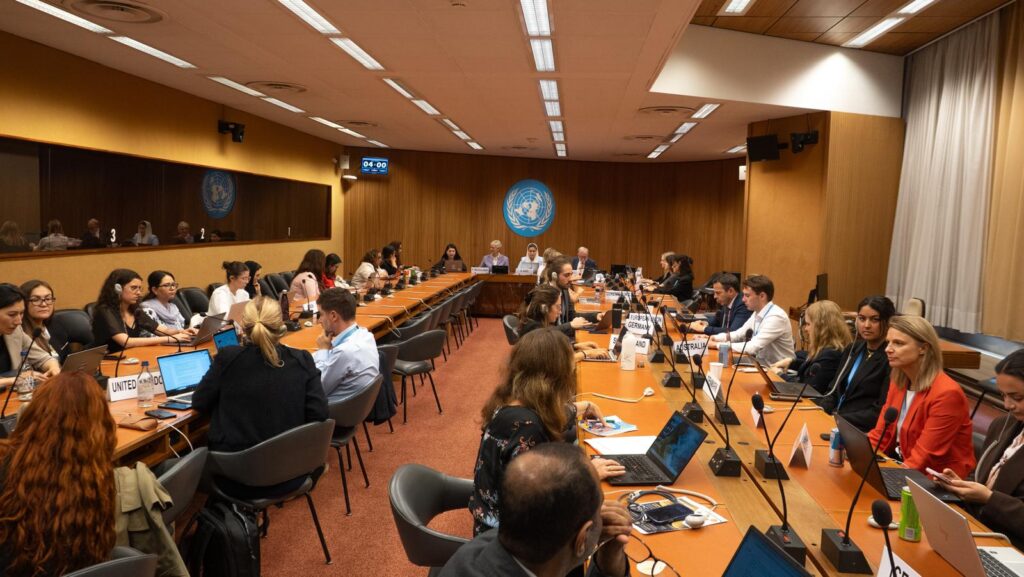
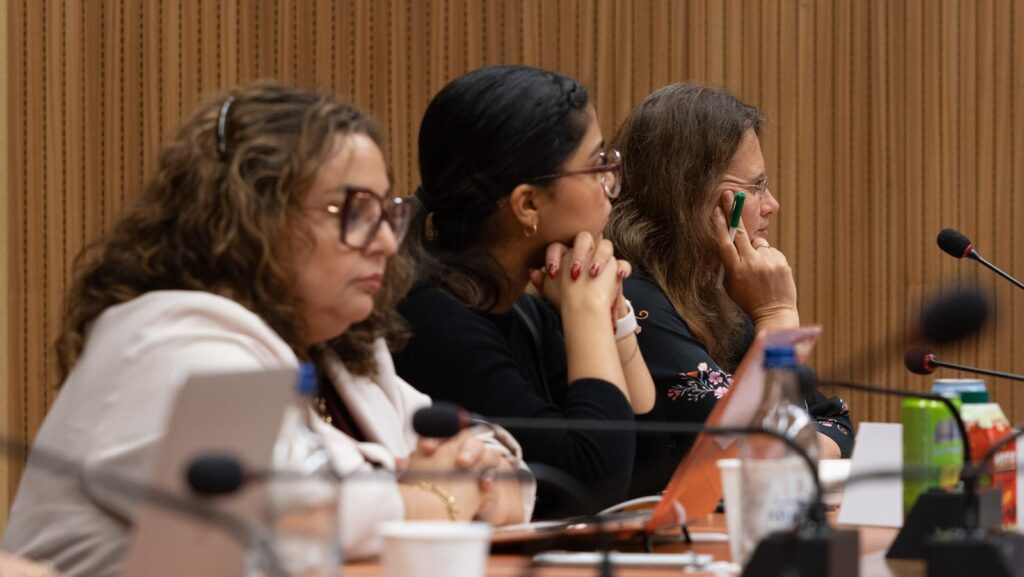
On 4 September 2025, Shahmama convened its second international conference, Advancing Gender Justice and Accountability for women of Afghanistan, at the United Nations in Geneva. The conference provided a critical platform for Afghan women human rights defenders, civil society and international partners to discuss urgent humanitarian needs, systemic rights violations and abuses under Taliban rule, accountability measures, and pathways to gender justice. The discussions underscored strong international solidarity with Afghan women and girls, highlighted substantial aid commitments, and reaffirmed the urgent need for accountability through mechanisms such as CEDAW initiatives, ICC and ICJ processes.
Overview of the Conference
The conference brought together Afghan human rights defenders and representatives from governments, international organizations, and civil society. The focus was on advancing accountability for violations of women’s rights in Afghanistan, addressing humanitarian needs, and strengthening international cooperation and action
Statements from Member States and Representatives
Canada
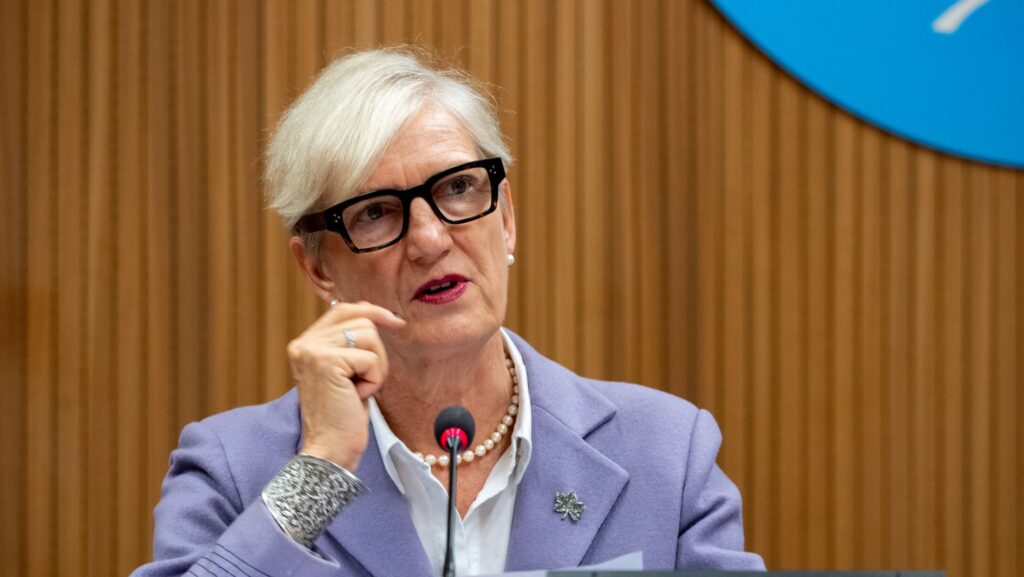
- Acknowledgment and Condolences
o Expressed condolences for recent earthquake victims.
o Recognized courage, resilience, and leadership of Afghan HRDs, especially women and girls. - Situation in Afghanistan
o Taliban systematically deprived women and girls of rights since Aug 2021 (education, employment and movement).
o 23 million Afghans depend on humanitarian aid; women disproportionately affected.
o Afghan women continue leading advocacy, community initiatives, and peace-building. - Canada’s Actions and Support
o Provided over $250M humanitarian aid + $133M for health, education, women’s empowerment.
o Led major Afghan resettlement: 55,000 Afghans (including 23,000 women & HRDs).
o Supports Afghan HRDs in exile; condemns Taliban violations. - Accountability and Advocacy
o Partnered with Australia, Germany, Netherlands under CEDAW to hold Afghanistan accountable.
o Advocates justice, reparations, reinstatement of women’s rights via UN forums (e.g., Doha).
o Applauds Shahmama for sustaining women-led advocacy and amplifying Afghan voices. - Commitment
o Reaffirmed unwavering support for Afghan women and girls.
o Emphasized vision of a stable, secure, inclusive Afghanistan free from fear, inequality, and oppression.
European Parliament ( Ms.Raquel Garcia Hermida-van der Walle, Chair of the Delegation for relations with Afghanistan )
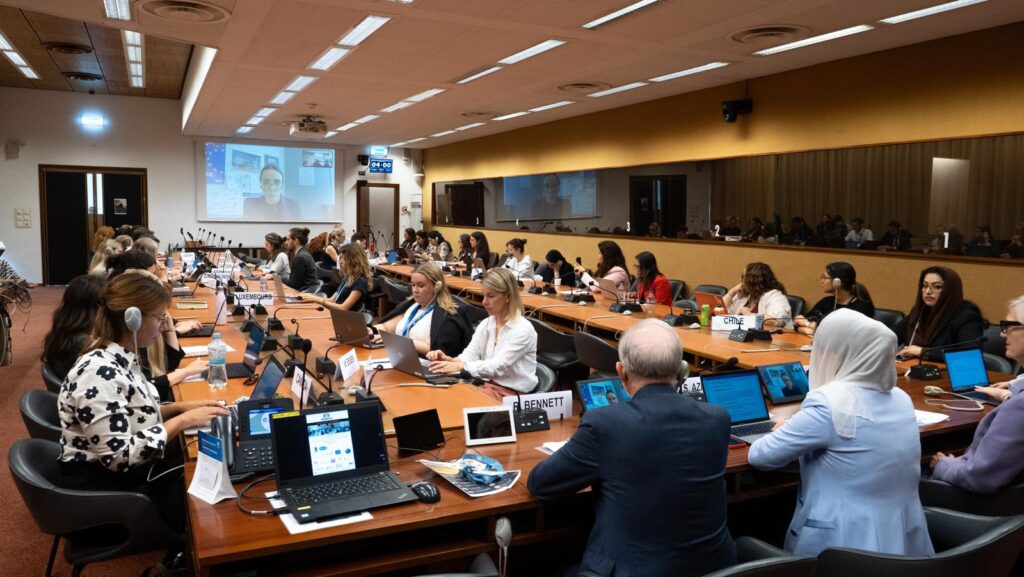
- Introduction and Condolences
o Condolences were extended for the recent earthquake in eastern Afghanistan, with solidarity expressed on behalf of the European Parliament and the delegation for relations with Afghanistan. - Current Situation and Concerns
o Particular concern for areas affected by the earthquake, especially displaced Afghans expelled from Pakistan.
o Monitoring of deportations, advocating against expulsions of vulnerable groups such as women, girls, and journalists.
o Concern over Taliban’s restrictive laws on women and girls that hinder humanitarian and medical aid. - Humanitarian Response
o EU Commission working with partners on the ground to deliver emergency assistance.
o Priorities include: support for women, girls, and children; emergency healthcare and trauma care; protection and shelter; and early recovery assistance.
o Use of Copernicus satellite system to aid rescue.
o First humanitarian aid already released; member states urged to contribute. - Funding and Aid
o Aid levels to Afghanistan reduced in recent years, affecting humanitarian and development efforts.
o On 17 June, the EU Commission announced a 2025 aid package of €161 million:
– €141 million for operations in Afghanistan.- o Aid delivered via humanitarian partners and EU humanitarian air bridge, without legitimizing the Taliban.
- Political Commitment and Follow-Up
o European Parliament will hold a debate in October to review Afghanistan’s situation four years after Kabul’s fall.
o Focus on worsening conditions for women and girls, inclusive participation in Afghan society, and earthquake recovery.
o Request for updates on acute needs, constraints in aid delivery, and winter preparedness. - Closing Remarks
o Reaffirmation of the European Parliament’s solidarity with the Afghan people.
o Hope for continued collaboration to address humanitarian and human rights challenges.
UN Special Rapporteur on Afghanistan
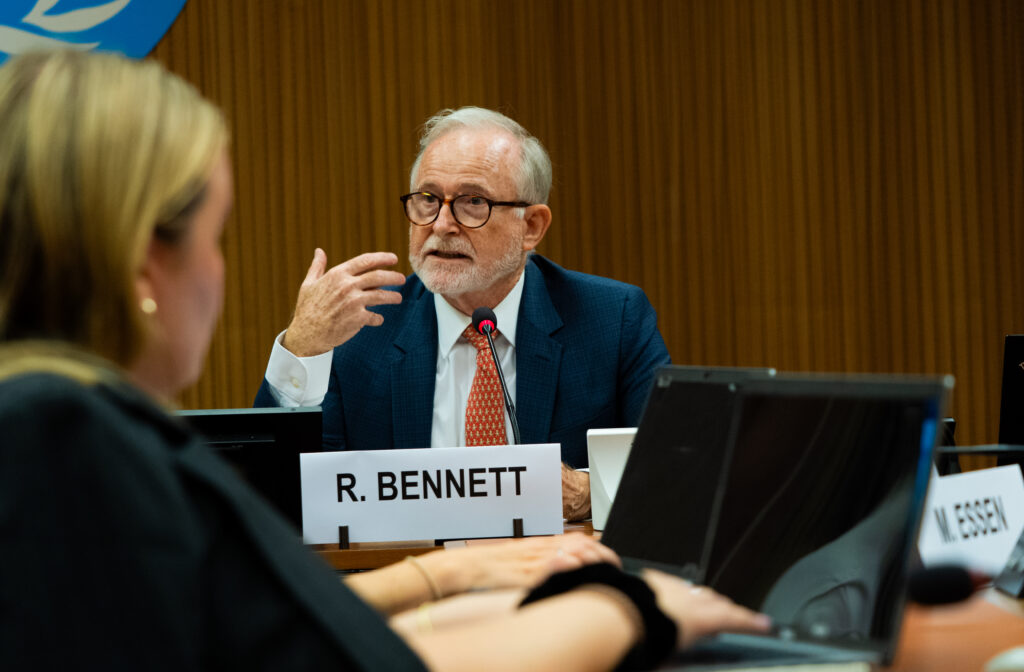
Opening and Condolences
- Thanks to Canada, the European Parliament, and other partner
- Gratitude to Shahmama and co-sponsors for convening.
- Condolences for the recent earthquake in Paktika and Nangarhar; recognition of
response efforts. - Praise to Qatar for sending senior female official Mariam al-Misnad
Questions on Human Rights Strategy
- Clarify end goals for human rights defenders.
- Vision: Inclusive Afghanistan respecting rights of all genders and marginalized
groups. - Need for a clear plan, maximizing resources, avoiding duplication amid funding
cuts. - Voices of Afghan women must remain central.
Human Rights Violations
- Situation has deteriorated since Taliban takeover.
- Systematic violations: restrictions on movement, education, work, healthcare, expression.
- Institutionalized gender persecution (via vice and virtue law).
- Targeting of minorities, especially Shia Hazara.
- Corporal punishment, killings, reprisals against officials and defenders.
- Violations may amount to crimes against humanity; ICC issued warrants for Taliban leaders.
Accountability and Justice
- Justice must be comprehensive and inclusive:
o Criminal investigation and prosecution.
o Truth-telling, acknowledgment, memorialization.
o Reparations and restoration of rights.
o Inclusion of Afghan people in decisions.
o Holistic justice addressing cycles of violence.
Recommendations for International Action
- Human Rights Benchmarks for Taliban engagement.
- Justice and Accountability: strengthen ICC, CEDAW, UNAMA; call for independent investigation.
- Codify gender apartheid in international law.
- Increase funding for humanitarian/human rights response (currently ~30% funded).
- Support Afghan women & minorities: education, entrepreneurship, protection, refugee rights.
- Embed human rights in all accountability and governance processes.
Closing Remarks
- Accountability and gender justice must stay high on the agenda.
- Call for independent investigation mechanism at next HRC session.
- Goal: Restore dignity for all Afghans, especially women and girls and marginalized communities.
Finland
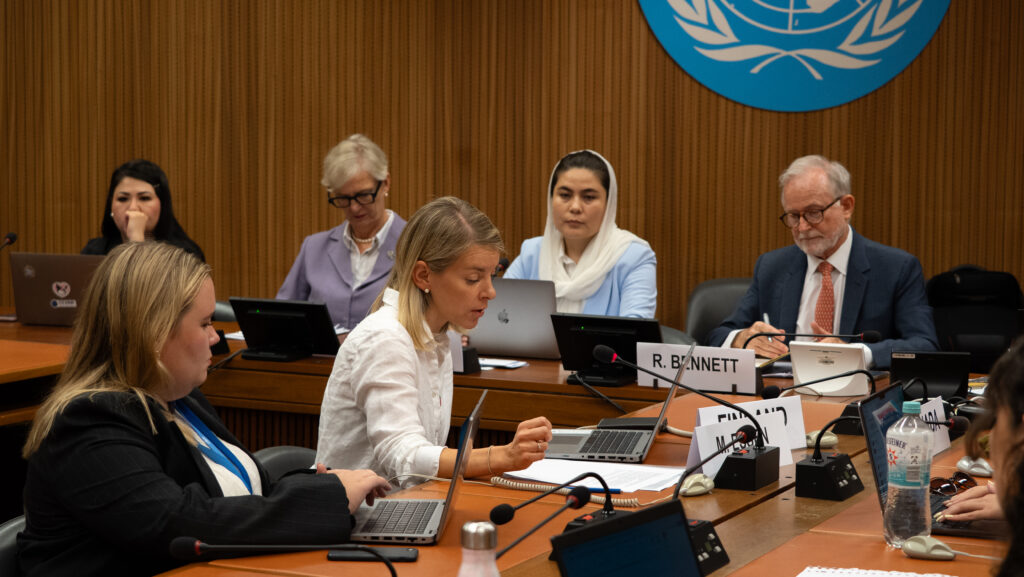
- Condolences and Solidarity
o Expressed condolences for earthquake victims.
o Recognized courage and resilience of Afghan women and girls, especially HRDs at risk. - Situation in Afghanistan
o Taliban systematically restricted women’s rights since Aug 2021 (education, employment, movement, freedom of expression).
o Taliban “morality laws” institutionalize discrimination, segregation, and exclusion.
o Despite oppression, Afghan women remain active agents of resistance. - International Action and Accountability
o Supports initiatives led by Canada, Australia, Netherlands, Germany under CEDAW to hold Taliban accountable.
o Stressed need for justice, recognition, and acknowledgment of Afghan women’s contributions and suffering. - Finland’s Support
o Provides humanitarian aid.
o Supports women’s sexual and reproductive health, gender equality, and civil society participation.
o Committed to keeping Afghanistan on the international agenda and advocating for women’s participation in peace-building, security, and policymaking. - Commitment
o Stressed Afghan women’s voices must be central in all decisions about their future.
o Reaffirmed solidarity with Afghan women and HRDs striving for dignity, safety and freedom.
Chile
- Expressed condolences for earthquake victims.
- Highlighted Chile’s own earthquake experience.
- Wished recovery for families facing hardship.
Chile’s Role and Commitment
- Honored to co-sponsor the event.
- Stressed centrality of Afghan women’s voices in Geneva.
- Recognized testimonies by Shahmama and others as moving and significant.
Situation in Afghanistan
- Framed as a “live reality” of exclusion, fear, and resilience.
- Violations include: girls banned from school, women barred from work, families mourning in silence.
- dentified systemic and intentional policy of pressure.
Human Rights Council Responsibility
- Urged Council to act despite UN liquidity crisis.
- Called for cooperation, coordination, and dialogue to maximize limited resources.
Accountability and Justice
- Justice needed to prevent cycles of violence.
- Supported accountability mandate on Afghanistan: robust, realistic, documenting violations, preserving evidence, and opening justice avenues.
International Cooperation and Measures
- Ready to work with delegations and Afghan HRDs.
- Supports CEDAW Article 29 initiatives (Australia, Canada, Germany, Netherlands).
- Joined ICC referral with Costa Rica, Spain, France, Luxembourg, Mexico (Nov 2021).
Domestic Actions and Commitment
- Welcomed Afghan refugees.
- President Boric condemned HR violations globally.
- Chile collaborates with Afghan women and organizations for human rights and humanitarian support.
Appreciation and Conclusion
- Thanked organizers for fostering dialogue.
- Stressed value of such discussions for HRC and other mechanisms.
- Reaffirmed commitment to Afghan women and global human rights.
Closing Remarks
- Reminded Council of Chile’s constructive role and support for Afghan women and girls.
Key Takeaways
- Condolences and Global Solidarity – All speakers expressed condolences for earthquake victims and acknowledged Afghan women’s resilience.
- Systematic Violations – Taliban restrictions continue to dismantle women’s rights in education, work, health, movement, and participation.
- Humanitarian and Financial Support – Canada, EU, Finland, and Chile announced substantial aid and resettlement efforts.
- Accountability and Justice – Broad consensus on strengthening mechanisms: ICC, CEDAW, independent investigations, and codification of gender apartheid.
- Elevating Afghan Voices – Repeated commitment to centering Afghan women and civil society in decision-making.
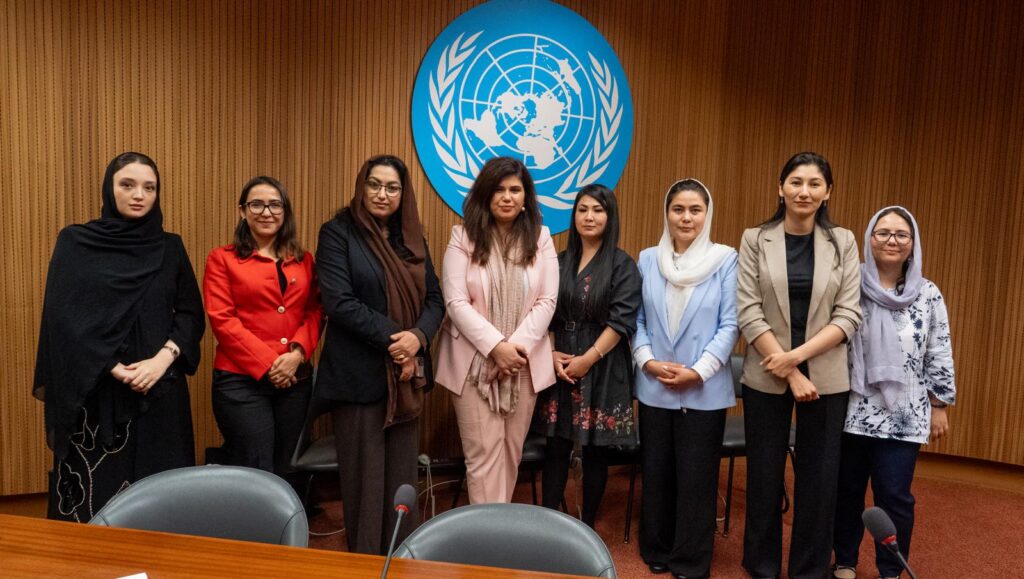
Statements and demands of seven Afghan Women Human Rights Defenders
- Justice & Accountability: Establish independent mechanisms, codify gender apartheid, and ensure reparations.
- Protection & Inclusion: Safeguard WHRDs and victims; ensure women’s meaningful participation in decisions.
- Documentation: Support systematic collection and preservation of evidence on gender based violations and abuses.
- Advocacy & Aid: Sustain international pressure, humanitarian support, and amplify Afghan women’s voices.
Conclusion
The conference underscored the pressing need to advance accountability, justice, and gender equality in Afghanistan. Member states and international stakeholders reaffirmed their solidarity and commitment to providing concrete support, while emphasizing the pivotal role of Afghan
women in shaping the country’s future.
Shahmama reaffirmed its dedication to amplifying the voices of Afghan women, rigorously documenting human rights violations, and collaborating with international partners to promote justice and accountability. The event highlighted the indispensable role of international forums in providing Afghan women human rights defenders with a platform to share experiences, raise awareness, and coordinate responses to ongoing violations. Sustaining such gatherings is crucial for reinforcing advocacy efforts, strengthening accountability mechanisms, and maintaining global attention on the rights, protection, and empowerment of Afghan women and girls.
Shahmama’s Message:
Justice and gender equality for Afghan women is not a slogan — it is an urgent responsibility of the international community. Afghan women demand real action, accountability, and meaningful participation in decision-making processes that shape their future.